Master Homemade Naan: Stovetop Recipe for Restaurant-Quality Fluffiness
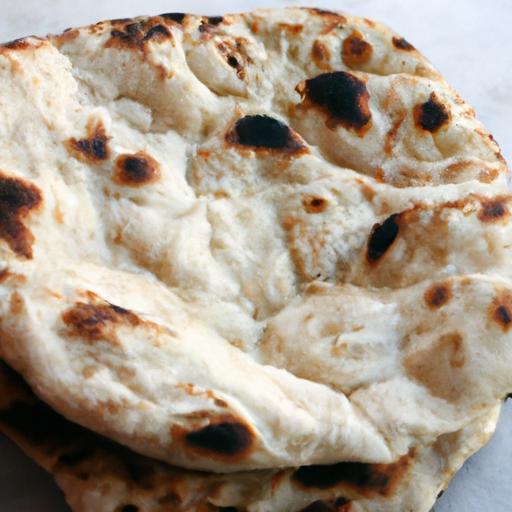
Imagine sinking your teeth into a warm, pillowy soft, and subtly chewy piece of naan bread, fresh from the skillet, its surface dotted with enticing bubbles and brushed with fragrant garlic butter. For many, this culinary delight is reserved for visits to their favorite Indian restaurant. But what if we told you that achieving this authentic, restaurant-quality naan bread in your own kitchen is not only possible but surprisingly easy? Forget the need for a traditional tandoor oven; this comprehensive guide will walk you through mastering homemade naan on your stovetop, delivering unparalleled fluffiness and flavor that will elevate any meal.
Homemade naan bread isn't just a side dish; it's an experience. Its unique texture makes it the perfect vehicle for soaking up rich curries, scooping up flavorful dals, or simply enjoying on its own. While many recipes promise "easy flatbread," this isn't just any flatbread. This is *naan*: distinctively soft, rich, and full of character, thanks to its special ingredients and the magic of yeast. Prepare to amaze yourself and your dinner guests with the best naan you've ever tasted, crafted right on your kitchen hob.
The Irresistible Appeal of Authentic Naan Bread
What truly sets exceptional naan bread apart? It's that delicate balance of a soft, airy interior and a slightly crisp, bubbly exterior. Unlike its cousin, the Middle Eastern pita bread, which typically forms a single large pocket, naan is characterized by numerous smaller air pockets that give it its signature pillowy texture and elasticity. This distinctive quality makes it incredibly pliable, ideal for wrapping, dipping, or simply tearing and enjoying.
The richness and tenderness of authentic naan largely stem from key ingredients like yogurt and butter, which contribute a depth of flavor and a luxurious softness that simpler flatbreads often lack. This isn't just about utility; it's about sensory pleasure. The moment you pull a freshly cooked piece of naan off the heat, its aroma filling the kitchen, you'll understand why it’s considered an essential part of the Indian culinary landscape. It's truly a game-changer for homemade Indian meals, bringing a level of authenticity and satisfaction that pre-packaged alternatives simply can't match. To delve deeper into the fascinating distinctions between these two popular flatbreads, explore our detailed comparison:
Naan vs. Pita: Uncovering the Secrets Behind India's Bubbly Flatbread.
Unlocking the Secrets to Bubbly & Chewy Naan
The quest for truly fluffy, chewy, and bubbly naan has eluded many home cooks. The secret, however, lies in a few crucial elements that transform basic dough into a culinary masterpiece.
First and foremost,
yeast is non-negotiable. While some recipes attempt to bypass yeast for speed, these often result in a denser, pancake-like texture that utterly misses the mark for authentic naan. Yeast is the magical ingredient that ferments the dough, producing the gases responsible for those coveted bubbles and the internal structure that gives naan its characteristic chewiness and rise. Without it, you simply won't achieve the signature elasticity and airiness.
Secondly, the inclusion of dairy, specifically yogurt and sometimes milk, along with a touch of fat like butter or oil, plays a pivotal role. These ingredients infuse the dough with richness, contributing to its incredible softness and making it much more tender than many other flatbreads. The fat content and acidity from the yogurt also interact with the gluten in the flour, resulting in a dough that is both pliable and resistant, providing that delightful "pull" when you tear it.
Finally, the cooking method on the stovetop is key to replicating the intense heat of a traditional tandoor. While you might not have a clay oven in your backyard, a preheated cast iron skillet or heavy-bottomed frying pan can mimic its high-temperature environment. This intense, direct heat causes the moisture in the dough to rapidly turn into steam, puffing up the naan and creating those beautiful, charred bubbles that are synonymous with restaurant-quality naan. The rapid cooking ensures a soft interior and a slightly crisped exterior without drying out the bread.
Essential Ingredients for Your Perfect Naan Bread Dough
Crafting the perfect naan bread begins with understanding the role of each ingredient. While the process is straightforward, using the right components can significantly elevate your final product.
*
Flour: You have a choice here. Bread flour, with its higher protein content, can yield a slightly fluffier and softer naan due to increased gluten development. However, the difference is often marginal, and high-quality all-purpose or plain flour works exceptionally well. Don't feel obligated to make a special trip for bread flour; excellent naan can certainly be made with what you already have in your pantry.
*
Yeast: Instant or rapid-rise yeast is highly recommended for its convenience. It doesn't require prior proofing and can be mixed directly with the dry ingredients, streamlining the process. This ease of use is a big reason why this recipe feels so achievable.
*
Dairy: Full-fat plain yogurt is a cornerstone ingredient. Its acidity and fat content contribute immensely to the naan's tenderness, richness, and slight tang. Some recipes also incorporate milk (warm, to activate yeast) for added moisture and softness.
*
Fat: Melted butter or a neutral oil (like vegetable or canola) enriches the dough, making it supple and soft. This fat content is another differentiator from leaner flatbreads.
*
Sweetener: A touch of sugar (or honey) not only feeds the yeast, encouraging it to activate and produce those crucial bubbles, but also contributes to the naan's beautiful golden-brown color during cooking.
*
Salt: Essential for flavor balance, salt enhances the overall taste of the naan, preventing it from being bland.
*
Warm Water: Crucial for activating the yeast. Ensure the water is warm, not hot, as excessively hot water can kill the yeast. A temperature between 105-115°F (40-46°C) is ideal.
One of the most appealing aspects of this recipe is its surprising simplicity. You might expect complex kneading for such a delicious bread, but that's not the case here. The naan dough is incredibly forgiving and requires minimal effort. If the thought of kneading has ever deterred you from bread making, fear not! Discover the effortless method in our related article:
No-Knead, Bubbly Naan: Achieve Soft, Chewy Bread Without a Tandoor.
Mastering the Stovetop Technique for Authentic Naan
Cooking naan on the stovetop is a brilliant adaptation that brings restaurant-quality results to any home kitchen. The key is understanding and controlling the heat.
1.
Prepare Your Dough: After your dough has risen to a beautiful, airy consistency, gently divide it into equal portions. Resist the urge to over-handle or deflate it too much.
2.
Shaping the Naan: Lightly flour a surface and roll out each piece into an oval, tear-drop, or round shape, about ¼ inch thick. Don't strive for perfect symmetry; the rustic, irregular shapes are part of naan's charm. Avoid making them too thin, or they won't puff up correctly, and too thick, they won't cook through.
3.
Preheat Your Pan: This is arguably the most critical step. Place a heavy-bottomed skillet, preferably cast iron, over high heat. Let it preheat thoroughly for at least 5-7 minutes until it's smoking slightly. A properly hot pan is essential for those dramatic bubbles and char marks. If your pan isn't hot enough, the naan will cook slowly and dry out, rather than puffing and charring.
4.
Cooking the Naan: Carefully place one piece of shaped naan bread onto the hot, dry skillet. You'll immediately notice small bubbles forming on the surface. Cook for 1-2 minutes until numerous bubbles appear and the underside has browned with characteristic charred spots.
5.
The Flip: Using tongs, flip the naan over and cook for another 1-2 minutes on the second side until it's also beautifully browned and puffed. If you have a gas stovetop and feel confident, you can carefully use tongs to hold the naan directly over an open flame for a few seconds to get extra charring and puffing, just like a tandoor. *Always exercise caution when working with open flames.*
6.
Finish with Flavor: As soon as each naan is cooked, transfer it to a plate. For an unbeatable flavor boost, immediately brush it generously with melted garlic-herb butter (a simple mix of melted butter, minced garlic, and fresh chopped cilantro). This infuses the warm naan with incredible aromatics and keeps it moist.
7.
Keep it Warm: Stack the cooked naan pieces and cover them with a clean kitchen towel to keep them warm and soft while you cook the remaining portions.
Serving Your Homemade Naan Bread & Creative Variations
Your freshly baked naan bread is best enjoyed immediately. Its warm, soft, and chewy texture is truly at its peak right off the stovetop. Serve it alongside traditional Indian curries like chicken tikka masala, lamb rogan josh, or a hearty lentil dal. It's also fantastic with creamy paneer dishes or as a simple accompaniment to a bowl of fragrant basmati rice.
Beyond traditional pairings, homemade naan is incredibly versatile:
*
Garlic Naan: The classic! Brush with garlic-herb butter as described above.
*
Cilantro Naan: Add fresh chopped cilantro to your garlic butter, or even knead some into the dough.
*
Cheese Naan: Before cooking, sprinkle grated cheese (mozzarella, cheddar, or paneer) over one half of the rolled-out dough, fold the other half over, seal the edges, and then gently re-roll. Cook as usual for a delightful cheesy center.
*
Naan Wraps: Use larger pieces of naan as a base for wraps filled with grilled chicken, falafel, or roasted vegetables.
*
Mini Naan Pizzas: A fantastic quick meal! Top cooked naan with tomato sauce, cheese, and your favorite toppings, then bake or grill until the cheese is bubbly.
*
Sweet Naan: Brush with melted butter, cinnamon sugar, or even a drizzle of honey for a dessert-like treat.
Conclusion
There’s a profound satisfaction that comes with creating something truly delicious from scratch, and homemade naan bread is no exception. By embracing the simple yet effective stovetop method, you can consistently produce restaurant-quality naan – soft, chewy, bubbly, and brimming with flavor – without any specialized equipment. This recipe demystifies the process, proving that this beloved Indian bread is well within the reach of any home cook. So, gather your ingredients, fire up your skillet, and prepare to delight your senses with the unparalleled taste and texture of your very own masterfully made naan. It's time to transform your kitchen into a haven of aromatic Indian cuisine and elevate your meals from ordinary to extraordinary.