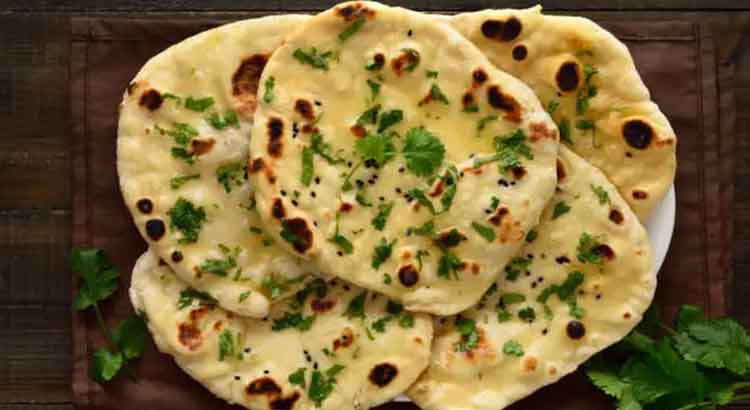
Naan vs. Pita: Uncovering the Secrets Behind India's Bubbly Flatbread
When it comes to enjoying the rich tapestry of Indian cuisine, there's one accompaniment that stands out as an indispensable partner: the humble yet magnificent
naan bread. This soft, pillowy, and often bubbly flatbread is more than just a side dish; it's a culinary experience in itself, designed to soak up the aromatic gravies of curries and elevate every bite. While often compared to other leavened flatbreads like pita,
naan bread possesses a unique character that sets it apart, a secret whispered in its ingredients and preparation.
The Allure of Naan Bread: A Culinary Journey from Tandoor to Table
Imagine a piece of bread so tender it melts in your mouth, yet with a satisfying chewiness that invites you to tear off another piece. That's the essence of authentic
naan bread. Traditionally baked in a scorching hot tandoor oven, its distinctive flavor and texture come from the intense heat that quickly puffs up the dough, creating those characteristic bubbles and a slightly charred exterior. But fear not, the magic of this Indian bread is now perfectly attainable in home kitchens. Modern recipes have masterfully adapted the technique, allowing you to achieve restaurant-quality fluffiness and chewiness right on your stovetop. If you're eager to try your hand at creating this wonder, you might find valuable guidance in our detailed article,
Master Homemade Naan: Stovetop Recipe for Restaurant-Quality Fluffiness.
What truly makes
naan bread special is its incredibly soft and fluffy texture. It's pliable, making it the perfect vehicle for scooping up every last drop of your favorite curry, daal, or lentil dish. Beyond its role as a scooping tool, its versatility shines as a base for wraps or mini pizzas. The moment you brush a freshly baked piece of
naan bread with herb-garlic butter, you unlock an incredible depth of flavor that can easily make you fall in love. The aroma alone is enough to transport you straight to the heart of an Indian kitchen.
Naan vs. Pita: Unpacking the Differences in Texture, Taste, and Origin
While both naan and pita are beloved leavened flatbreads, their paths diverge significantly in terms of origin, ingredients, and the resulting texture. Understanding these distinctions is key to appreciating the unique qualities of each.
*
Origin & Cultural Significance: Naan is unequivocally an
Indian bread, a staple in North Indian, Pakistani, and Afghan cuisines. Its roots are deeply intertwined with the culinary traditions of the Indian subcontinent. Pita, on the other hand, hails from the Middle East and Mediterranean countries, a fundamental part of dishes like falafel and gyros.
*
Ingredients & Richness: Both flatbreads typically start with a leavened dough, often utilizing yeast. However, the critical difference lies in the enrichment of the dough. Authentic
naan bread recipes often incorporate yogurt, milk, and butter (or ghee), which contribute significantly to its distinctive richness, tenderness, and pliability. The higher fat content in naan dough is a primary reason for its softer, almost cake-like crumb compared to pita. Pita dough tends to be simpler, often made with just flour, water, yeast, salt, and a touch of olive oil, resulting in a lighter, less rich bread.
*
Texture & Structure: This is perhaps the most striking difference. As
naan bread bakes, especially in a high-heat environment, it forms numerous smaller, irregular bubbles throughout its interior. This creates a beautifully varied crumb that is both fluffy and chewy, perfect for soaking up liquids without becoming soggy. In contrast, pita bread is famous for forming one large, uniform pocket in its center during baking. This pocket makes pita ideal for stuffing with fillings, from hummus and salads to meats, rather than primarily scooping. The structural integrity and elasticity of truly great
naan bread, with its "bubbly" character, is something that many other flatbreads simply cannot replicate.
*
Leavening: While some basic flatbreads might use baking powder or soda, for the signature fluffy, chewy, and bubbly texture of both naan and pita, yeast is paramount. The fermentation process from yeast is what creates the gases necessary for the dough to rise and form those distinct internal structures. Recipes attempting to make naan without yeast often result in a product closer to a thick pancake than the delightful, elastic
naan bread we know and love.
Crafting the Perfect Naan: Secrets to Achieving Restaurant-Quality at Home
Achieving that truly fluffy, chewy, and bubbly
naan bread at home, reminiscent of what you’d get fresh from a restaurant tandoor, is surprisingly straightforward. Here are the secrets to success:
*
Embrace Yeast: The Essential Leavener: As highlighted, yeast is non-negotiable for authentic
naan bread. Whether you use instant or active dry yeast, it’s the engine that creates the air pockets, contributing to the bread's rise, chewiness, and those delightful bubbles. Don't skip this ingredient if you want proper naan!
*
The Power of Enrichment: Yogurt and Butter: The addition of plain yogurt and melted butter (or ghee) is what gives
naan bread its signature tenderness and rich flavor. Yogurt adds a subtle tang and moisture, while butter makes the dough incredibly pliable and soft. These ingredients are key differentiators from simpler flatbreads.
*
Flour Choice Matters (But Don't Stress Too Much): Bread flour, with its higher protein content, can lead to a slightly fluffier and chewier naan due to better gluten development. However, the difference when making
naan bread is often marginal enough that high-quality all-purpose flour will still yield excellent results. Don't feel obligated to make a special trip to the store if you only have all-purpose on hand.
*
No-Knead Magic: One of the most liberating aspects of making
naan bread at home is that many excellent recipes require minimal to no kneading. The dough often comes together easily, allowing the yeast and the resting time to do most of the work in developing the gluten structure. This makes homemade naan far more accessible than many imagine. To explore this further, check out
No-Knead, Bubbly Naan: Achieve Soft, Chewy Bread Without a Tandoor.
*
High Heat is Your Friend: While a tandoor isn't available to most home cooks, mimicking its intense heat on a stovetop or in a very hot oven is crucial. Using a cast-iron skillet or a griddle heated to a high temperature allows the naan to puff up quickly, forming those characteristic bubbles and achieving a perfectly cooked texture with charming char marks. Cook one side until it bubbles, then flip or finish under a broiler.
*
Serve Fresh for Peak Experience: While leftovers can be reheated, the true magic of
naan bread is experienced immediately after it's baked. It's at its most pillowy, flavorful, and aromatic then. Brush it with garlic-herb butter, sprinkle with fresh cilantro, and serve it alongside your meal right away.
Beyond the Basics: Elevating Your Naan Bread Experience
The beauty of
naan bread lies not only in its plain, buttery form but also in its incredible adaptability. Once you've mastered the basic recipe, a world of variations opens up:
*
Garlic Naan: The most popular variation involves pressing finely minced garlic and fresh cilantro into the dough before cooking, then brushing with garlic butter after.
*
Cheese Naan: Stuffing the dough with shredded cheese (like mozzarella or paneer) before cooking creates a delightful, gooey surprise inside.
*
Keema Naan: For a heartier option, the dough can be filled with spiced minced meat (keema).
*
Peshawari Naan: A sweet version, often stuffed with nuts, raisins, and desiccated coconut, perfect with rich curries or as a dessert.
These toppings and fillings transform the humble flatbread into a dish of its own, proving that
naan bread is truly a versatile canvas for culinary creativity.
In conclusion, while pita bread holds its own as a fantastic Middle Eastern flatbread,
naan bread stands distinct with its rich, tender, and uniquely bubbly texture, a result of its enriched dough and traditional baking methods. It's an integral part of the Indian dining experience, designed to complement and complete a meal with its incredible ability to soak up flavors. The journey from a few simple ingredients to a warm, fluffy, garlic-scented piece of
naan bread is a rewarding one, and with the right tips, you can easily bring the taste of India's beloved flatbread right into your home kitchen. So, gather your ingredients, fire up your stovetop, and prepare to fall in love with homemade naan.