No-Knead, Bubbly Naan: Achieve Soft, Chewy Bread Without a Tandoor
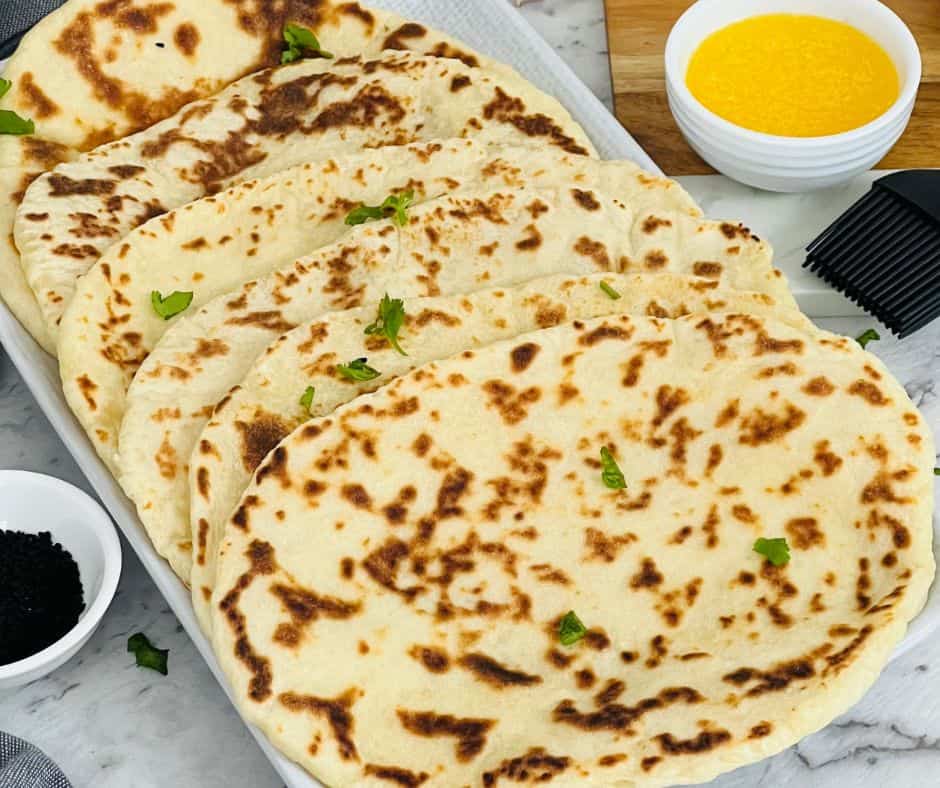
Imagine a warm, pillowy soft piece of Indian bread, speckled with golden-brown blisters and infused with aromatic garlic and herbs, ready to scoop up your favorite curry. That, my friends, is the magic of freshly made
naan bread. For years, many home cooks believed achieving that authentic, restaurant-quality texture – the perfect balance of chewiness, fluffiness, and those signature bubbles – required a fiercely hot tandoor oven. We're here to tell you that’s simply not true. You can create truly spectacular,
bubbly naan right in your own kitchen, with minimal effort and absolutely no kneading required! This comprehensive guide will unlock the secrets to mastering homemade naan, delivering a soft, chewy bread that rivals your favorite Indian restaurant.
The Magic of Naan: Why This Bubbly Bread Reigns Supreme
Naan is not just any flatbread; it's a culinary masterpiece, celebrated for its unique texture and incredible versatility. Originating from the Indian subcontinent, this leavened bread is a staple companion to a vast array of curries, dals, and grilled meats. What truly sets
naan bread apart is its distinctive texture: it’s delightfully soft and fluffy, yet boasts a satisfying chewiness that makes every bite a pleasure. Unlike many other flatbreads that form a single large pocket, naan characteristically develops numerous smaller, charming bubbles during the cooking process. These pockets of air contribute to its exceptional pliability and give it an almost cloud-like quality, making it perfect for soaking up rich, flavorful sauces. Beyond its traditional role, this versatile bread can transform into a quick pizza base, a hearty wrap for your favorite fillings, or simply a delicious snack brushed with garlic butter. It's the kind of bread that truly elevates any meal.
Unlocking Restaurant-Quality Naan Without a Tandoor
The traditional tandoor oven, a cylindrical clay oven reaching extremely high temperatures, is the secret weapon behind authentic restaurant naan. Its intense heat cooks the bread rapidly, causing it to puff and blister perfectly. However, for the home cook, a tandoor is rarely an option. The good news is, you absolutely don't need one to achieve fantastic results! The key to making
bubbly naan at home lies in mimicking that high, direct heat.
The stovetop method is a game-changer for homemade naan. By preheating a cast-iron skillet or heavy-bottomed frying pan to a very high temperature, you create an environment that closely simulates the tandoor's intensity. When the dough hits the hot surface, it cooks rapidly, trapping steam and causing those delightful bubbles to form. The quick cooking time also ensures the naan remains soft and doesn't dry out. For an even more authentic char, some home cooks briefly transfer the partially cooked naan to an open flame (like a gas burner) using tongs, or even under a preheated broiler, for a few seconds to achieve that characteristic smoky finish.
Achieving the perfect puff and chewiness is surprisingly straightforward with a little technique. The no-knead approach relies on time rather than muscle. By allowing the dough to ferment slowly, the gluten develops naturally, giving the naan its signature elasticity and chewiness without any arduous work on your part. This simple yet effective technique ensures that even without a tandoor, you can master homemade naan that boasts a restaurant-quality fluffiness. For a detailed, step-by-step guide to achieving this at home, be sure to check out our article on
Master Homemade Naan: Stovetop Recipe for Restaurant-Quality Fluffiness.
The Secret Ingredients for Irresistible Naan: Beyond Flour and Yeast
While flour and yeast are the foundation of any leavened bread, the magic of
naan bread comes from a few key additions that make it uniquely soft, rich, and flavorful.
*
Yeast: The Bubble Maker. This is non-negotiable for truly
bubbly naan. Whether you use instant/rapid-rise yeast or active dry yeast (which requires a brief proofing), yeast is responsible for the gas production that gives naan its characteristic texture and rise. Without it, you’ll end up with a denser, pancake-like flatbread, missing the essential chew and fluffiness.
*
Yogurt: The Tenderizer. A crucial ingredient, yogurt contributes significantly to naan’s signature softness and richness. The acidity in the yogurt helps to tenderize the gluten in the dough, while its fat content adds moisture and a subtle tang that enhances the overall flavor profile. Full-fat plain yogurt (Greek or regular) works best for the most luscious results.
*
Butter or Oil: For Richness and Moisture. A touch of melted butter or neutral oil in the dough adds to its richness, pliability, and helps keep the naan moist and tender. It also aids in achieving a beautiful golden crust during cooking.
*
Flour Power: Bread Flour vs. All-Purpose. While some recipes swear by bread flour for its higher protein content (which can lead to a slightly fluffier naan), the truth is, excellent
naan bread can be made with standard all-purpose or plain flour. The difference is often marginal, especially in a no-knead recipe where time does much of the gluten development work. Don't let not having bread flour stop you from making this delicious bread!
*
Sugar and Salt: Balancers. A small amount of sugar feeds the yeast, helping it activate and promoting browning. Salt, on the other hand, balances the flavors and helps regulate yeast activity.
The beauty of the no-knead method is that these ingredients simply need to be mixed until just combined, then left to rest. The extended fermentation time allows the yeast to work its magic, developing flavor and gluten structure effortlessly.
Naan vs. Pita: A Tale of Two Flatbreads (and Why Naan Stands Out)
While both naan and pita are beloved leavened flatbreads, they boast distinct characteristics that reflect their different culinary origins and ingredient profiles. Understanding these differences highlights why
naan bread holds such a special place in the world of bread.
*
Origin: Naan is fundamentally an Indian bread, deeply rooted in the culinary traditions of the Indian subcontinent. Pita, conversely, hails from the Middle East and is also prevalent across Mediterranean countries.
*
Ingredients and Texture: This is where the most significant distinctions lie. Naan typically incorporates yogurt and butter (or sometimes ghee) into its dough. This higher fat content, coupled with the tenderizing effect of yogurt's acidity, results in a much richer, softer, and more pliable bread than pita. Pita bread, while also leavened, is generally made with less fat, giving it a slightly drier, chewier, and often firmer texture.
*
Bubbles vs. Pockets: The way they puff during cooking is another key differentiator. As discussed,
naan bread forms many smaller, irregular bubbles and blisters on its surface, creating a varied, interesting crumb. Pita, on the other hand, is famous for forming one large, distinctive pocket in its center, making it ideal for stuffing with fillings.
*
Usage: While both are excellent for scooping, naan's softness and richness make it particularly suited for sopping up creamy curries and sauces. Pita's sturdy pocket is perfect for holding falafel, shawarma, or various dips.
These differences are fascinating and underline the culinary diversity of flatbreads. For a deeper dive into the nuances that separate these two delicious breads, explore our article on
Naan vs. Pita: Uncovering the Secrets Behind India's Bubbly Flatbread.
Elevating Your Naan Experience: Toppings and Serving Suggestions
While plain
naan bread is delicious on its own, it truly shines when adorned with simple, flavorful toppings. The classic choice is a generous brush of garlic and herb butter. Minced fresh garlic, chopped cilantro or parsley, and a pinch of salt mixed into melted butter, brushed on the naan immediately after it comes off the heat, elevates the flavor exponentially. The warmth of the bread absorbs the butter, infusing every bite with aromatic goodness.
Beyond garlic butter, consider these delightful additions:
- Nigella Seeds (Kalonji): These tiny black seeds offer a unique oniony, slightly bitter flavor and an appealing visual contrast.
- Sesame Seeds: Adds a nutty crunch and subtle flavor.
- Fresh Cilantro: Chopped fresh cilantro sprinkled on top before or after cooking brightens the flavor.
- Chilli Flakes: For a touch of heat, sprinkle red chilli flakes.
Naan’s versatility extends beyond just toppings. Serve it alongside virtually any Indian curry, such as Butter Chicken, Chicken Tikka Masala, or Chana Masala. It’s also fantastic with lentil dals, grilled kebabs, or even as a simple accompaniment to dips like hummus or raita. For a creative twist, use larger pieces of naan as a base for quick, personal pizzas or slice them into strips for dipping. Always remember,
naan bread is best enjoyed fresh and warm, straight from the pan, when its texture is at its peak.
Conclusion
Achieving soft, chewy, and gloriously
bubbly naan at home without a tandoor is not just possible – it’s surprisingly easy. By understanding the roles of key ingredients like yeast, yogurt, and butter, and embracing the simplicity of a no-knead, stovetop cooking method, you can consistently produce naan bread that rivals your favorite restaurant. The unique texture, with its many small bubbles and pliable nature, makes it the perfect accompaniment to countless dishes. So, gather your ingredients, set aside a little time for the dough to work its magic, and prepare to delight your senses with the incredible taste of homemade, no-knead naan. Your culinary adventures are about to get a whole lot softer and chewier!